
Top 10 Bone Graft Substitutes You Need to Know About?
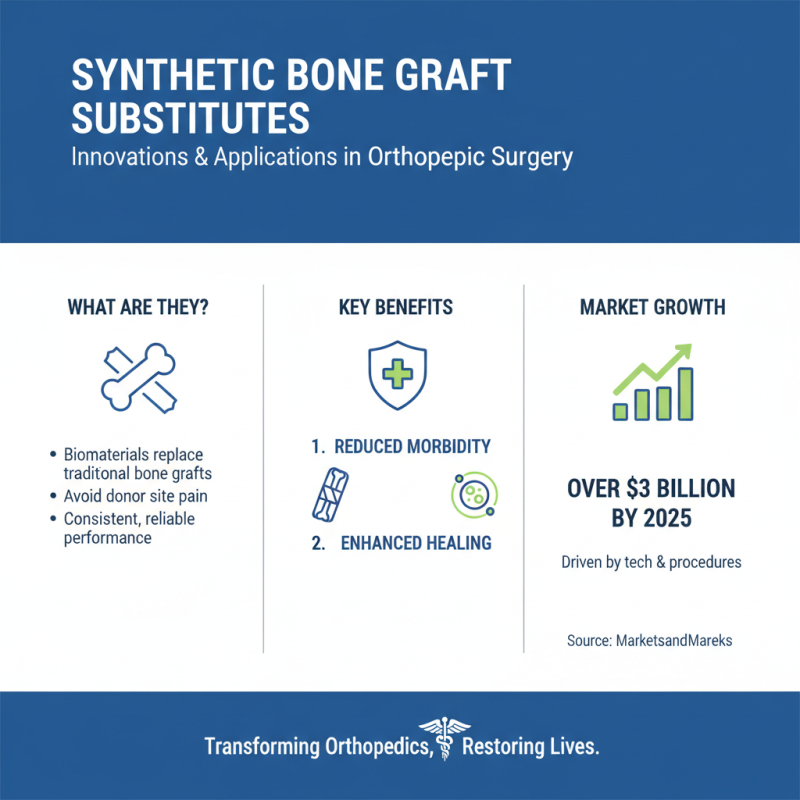
Bone graft substitutes play a crucial role in orthopedic surgery and bone regeneration. The global market for these substitutes is projected to exceed $3 billion by 2025, reflecting growing demand and advancements in technology. According to Dr. Emily Richards, a leading expert in regenerative medicine, “Bone graft substitutes are revolutionizing treatment options for patients with complex bone injuries.”
These innovations are not just alternatives; they often outperform traditional methods in terms of healing time and functionality. The diversity in materials—from synthetic options to natural biocompatible substances—offers healthcare professionals a wide range of choices tailored to patient needs. Yet, the landscape of bone graft substitutes is continuously evolving, and ongoing research is crucial.
However, with a plethora of options available, it can be overwhelming. Not all substitutes are suitable for every patient or procedure. Clinical outcomes vary depending on factors like the type of substitute used and the individual’s healing response. As the industry grows, so does the need for critical assessment and refined usage of these substitutes to maximize their effectiveness.

Table of Contents
[Hide]
Overview of Bone Grafts and Their Importance in Surgery
Bone grafts play a crucial role in various surgical procedures, particularly in orthopedic and dental surgeries. They aid in the healing of bone defects and assist in the regeneration of lost bone tissue. According to a report from the International Journal of Oral & Maxillofacial Implants, over 70% of dental implant procedures utilize bone grafts. This statistic highlights their significance in ensuring the success of these implants.
Various types of bone graft materials exist, including autografts, allografts, and synthetic substitutes. Autografts are the gold standard, as they use the patient's own bone. However, they come with complications like additional surgical sites and longer recovery times. In contrast, allografts, derived from donors, eliminate these issues but may carry risks of disease transmission, albeit rare. A comprehensive study published in the Journal of Bone and Joint Surgery indicates that approximately 2.5% of allografts may lead to complications. This data demonstrates the need for careful consideration when choosing grafting options.
The evolving field of regenerative medicine emphasizes the necessity for effective graft substitutes. Innovative materials are being developed to enhance bone healing. However, some still lack sufficient long-term data to fully assess their effectiveness. As surgical technologies advance, understanding the true capabilities and limitations of these substitutes is essential for practitioners and patients alike. This awareness can influence decisions that impact surgical outcomes significantly.
FAQS
: What are allografts?
: Allografts are bone grafts sourced from human donors. They support healing by providing a biological scaffold.
What are the benefits of using allografts?
They can significantly reduce recovery times and integrate well into the body. Surgeons find them easy to use.
What risks should be considered with allografts?
There is a slight risk of disease transmission and immune response, which may complicate recovery.
How do patient-specific factors influence allograft success?
Age and overall health impact healing. Each patient's specific condition also plays a critical role.
What are synthetic bone graft substitutes?
They are innovations that serve as alternatives to traditional bone grafting, reducing donor site issues.
How do hydroxyapatite-based substitutes work?
They mimic natural bone mineral and help achieve high fusion rates, especially in spinal surgeries.
What challenges do synthetic bone grafts face?
Healing rates can vary among patients, and the mechanical properties of some materials may need improvement.
What role do biopolymers play in bone grafting?
Biopolymers like chitosan are biocompatible and promote tissue integration, but mechanical strength can be lacking.
Why is ongoing research important in this field?
Continuous innovation is needed to meet the growing demand for effective solutions in orthopedic surgery.
How should surgeons communicate with patients about graft options?
Clear discussions about benefits, risks, and patient factors are essential for setting realistic expectations.
Conclusion
Bone graft substitutes play a crucial role in surgical procedures aimed at bone regeneration and healing. This article provides an overview of the different types of bone graft substitutes available today, highlighting their importance and various applications. Among these, autografts are considered the gold standard due to their biocompatibility and effectiveness. However, allografts also present benefits and risks that need careful consideration. Synthetic bone graft substitutes are gaining traction due to innovations that enhance their efficacy, while growth factor-enhanced bone grafts further improve healing potential. Additionally, stem cell therapy is emerging as a promising tool in the field of bone regeneration, offering new avenues for treatment and recovery.
Understanding the diverse options in bone graft substitutes is essential for healthcare professionals to optimize patient outcomes. By knowing the characteristics and potential of each type, surgeons can make informed decisions that align with the specific needs of their patients, ultimately enhancing the healing process and ensuring successful surgical interventions.