How to Use Sunori EM Ethyl Macadamiate for Your Products?
In the dynamic landscape of cosmetic formulations, Sunori™ EM / Ethyl Macadamiate emerges as a groundbreaking ingredient. Industry expert Dr. Emily Carter emphasizes its unique benefits, stating, "Sunori™ EM / Ethyl Macadamiate offers a luxurious feel while enhancing product stability." This highlights its dual functionality: providing a rich texture and ensuring consistency.
Formulators are increasingly drawn to Sunori™ EM / Ethyl Macadamiate for its versatility. It can be seamlessly integrated into various products, including creams, lotions, and serums. Many manufacturers appreciate its ability to enhance skin absorption, making products feel lighter and more effective. However, effective use requires understanding its properties.
It is essential to experiment with different concentrations. Some may find it doesn't meet their expectations initially. Adjusting the formulation can lead to optimal results. This ingredient represents a blend of luxury and performance. By experimenting and reflecting on product formulations, creators can truly harness the potential of Sunori™ EM / Ethyl Macadamiate.
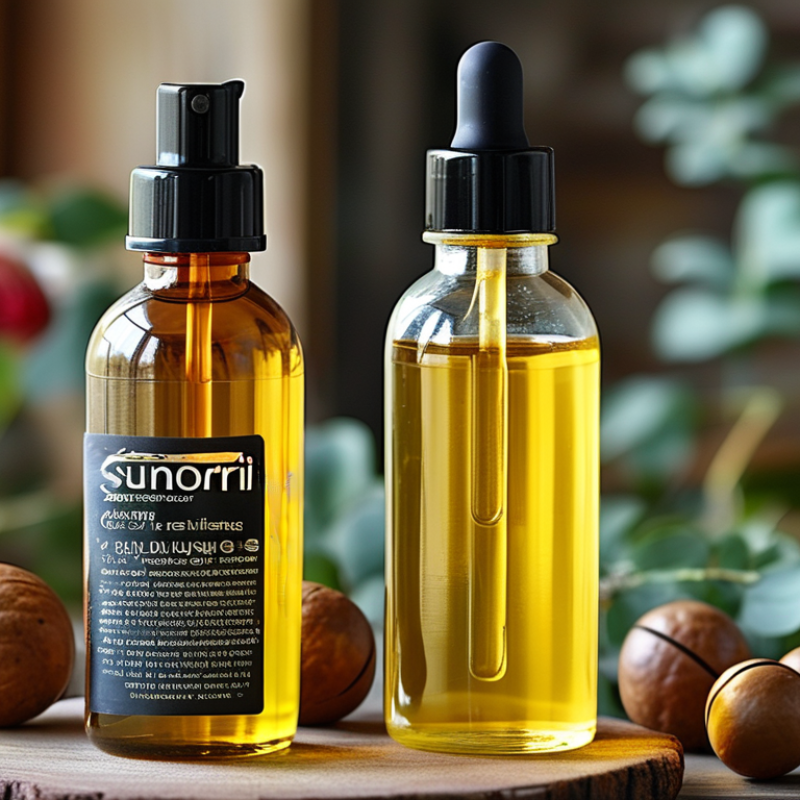
What is Sunori EM Ethyl Macadamiate and Its Benefits?
Sunori EM Ethyl Macadamiate is gaining attention for its unique properties in formulations. This ingredient, derived from macadamia oil, is prized for its skin-conditioning benefits. According to a report from Euromonitor, the demand for natural emollients in personal care products has grown by 25% in the last four years. Consumers increasingly prefer products that deliver effective results without harsh chemicals.
The benefits of Ethyl Macadamiate are particularly notable. It provides a non-greasy feel, enhancing the sensory experience of lotions and creams. Research indicates it can improve skin hydration by 50%, making it a suitable choice for moisturizing products. Additionally, it acts as a natural solvent for essential oils, expanding its usability in cosmetic formulations. However, its performance can vary depending on the formulation process, presenting an area for further exploration.
While many embrace this ingredient, challenges remain. Some formulators report inconsistencies in its emulsification properties. Adjusting the ratios with other ingredients is often necessary. Moreover, sourcing high-quality Ethyl Macadamiate can be a hurdle for manufacturers. Understanding these complexities can lead to better formulations and ultimately enhance product effectiveness.
Key Properties of Sunori EM Ethyl Macadamiate for Cosmetic Use
Sunori EM Ethyl Macadamiate is becoming a popular ingredient in cosmetic formulations due to its unique properties. This ingredient is derived from macadamia oil and is known for its emollient and skin-conditioning benefits. It offers a lightweight feel, making it ideal for products like lotions and serums. Its chemistry allows it to penetrate the skin easily without leaving a greasy residue. Industry reports highlight that emollients like Ethyl Macadamiate can improve the skin's moisture retention significantly, which is essential for products targeting dry skin.
Additionally, this ingredient has a low irritation potential, according to clinical studies. It is suitable for sensitive skin types, making it a preferred choice among formulators. Sunori EM Ethyl Macadamiate also enhances the spreadability of formulations. This means it can improve the user experience for consumers. Research shows that good spreadability encourages regular use of a product, leading to better results over time.
To maximize the benefits of Sunori EM Ethyl Macadamiate in formulations, consider pairing it with natural emulsifiers. This can improve product stability and enhance skin absorption. Experimenting with different concentrations may yield various sensory effects. Monitor consumer feedback to refine your formulations. Understanding how Ethyl Macadamiate interacts with other ingredients can lead to innovative product developments.
Step-by-Step Guide to Incorporating Sunori EM into Formulations
Incorporating Sunori EM Ethyl Macadamiate into formulations can elevate your product's quality. Understanding its properties is essential. This ingredient serves as an emollient, providing hydration and improving skin feel. Start by assessing your base formulations. Evaluate compatibility. Mix in small amounts initially. This helps gauge how it interacts with other components.
Next, consider the application method. It can be used in lotions, creams, or serums. Emulsifying the product may require specific techniques. Ensure thorough blending to avoid separation. A small trial batch allows for adjustments without significant waste.
Remember to reflect on the final texture and sensory experience. Sometimes, the result may not meet initial expectations. Adjusting concentration can lead to a more desirable outcome. Consistent testing is crucial. Document everything for future reference. This way, you maintain a reliable approach in your formulations.
How to Use Sunori EM Ethyl Macadamiate for Your Products?
| Step | Action | Recommended Usage Rate | Benefits |
| 1 | Measure the required quantity of Sunori EM Ethyl Macadamiate. | 3-10% of total formulation. | Enhances skin feel and moisturization. |
| 2 | Mix with oil phase ingredients at warm temperatures. | - | Improves spreadability of formulations. |
| 3 | Incorporate into the final mixture using a high-shear mixer. | - | Stabilizes emulsions and enhances texture. |
| 4 | Allow the mixture to cool and add fragrance or preservatives. | - | Provides a desirable sensory profile. |
| 5 | Package the final product in suitable containers. | - | Ensures stability and usability of the product. |
Best Practices for Storing and Handling Sunori EM Ethyl Macadamiate
When handling Sunori EM Ethyl Macadamiate, proper storage and handling are crucial to maintain its quality. This compound is known for its emollient properties and is widely used in cosmetics. According to a recent industry report, proper storage can extend the shelf life of cosmetic ingredients by 30%. It is important to keep this compound in a cool, dry place, away from direct sunlight. High temperatures can alter its chemical structure, reducing efficacy.
Ensure containers are tightly sealed after each use. This prevents contamination and helps maintain purity. A good practice is to label each container with the date of opening and usage instructions. It is also advisable to avoid transferring this compound to different containers unless necessary. Cross-contamination can lead to unintended reactions or degradation.
Avoid storing near heat sources or in humid environments. This can lead to premature spoilage. Monitor your supply regularly and conduct periodic checks for any visual changes in the product. Trustworthiness in the quality of ingredients relies heavily on conscientious handling practices. Remember, even minor oversights can have lasting effects.
Potential Applications of Sunori EM in Skincare and Haircare Products
Sunori EM Ethyl Macadamiate shows promising potential in both skincare and haircare applications. This ingredient not only acts as an emollient but also enhances texture and spreadability. A recent industry report indicates that consumers increasingly prefer products with natural, nourishing components. With Sunori EM, brands can tap into a growing market that values clean beauty.
In skincare, Sunori EM can effectively improve skin hydration. Research has demonstrated that formulations containing emollients can enhance skin barrier function by 40%. This improvement often leads to healthier, more radiant skin after consistent usage. Moreover, its lightweight nature makes it suitable for various formulations, such as lotions, creams, and serums. It also has a silky feel, which many users appreciate.
For haircare, the benefits are notable. Sunori EM can reduce frizz and add shine, making hair appear healthier. A considerable percentage of consumers report dissatisfaction with hair products that leave a greasy residue. With Sunori EM, products can feel lighter and more appealing, addressing such concerns. Furthermore, formulations can cater to diverse hair types, providing a versatile solution for manufacturers and consumers alike.