What is Ankle Fracture Surgery and How Does It Work?
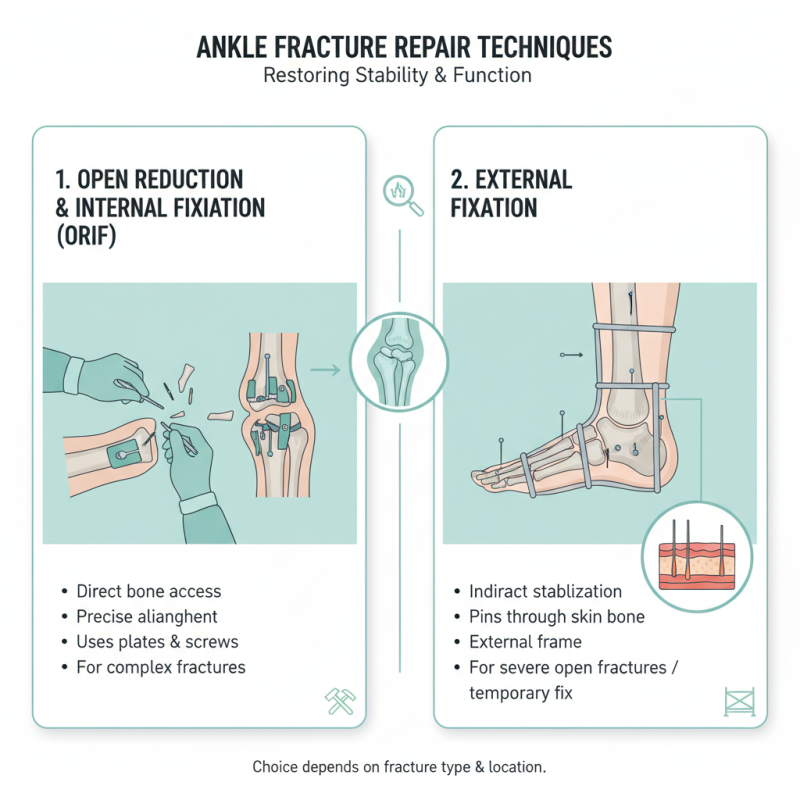
Ankle fractures are common injuries that can severely impact mobility. When conservative treatments fail, Ankle Fracture Surgery becomes a vital option. This surgical procedure aims to restore stability and function to the ankle joint. Surgeons use advanced techniques and tools to ensure proper alignment and healing.
Understanding the process of Ankle Fracture Surgery involves knowing the pre-operative assessments, surgical techniques, and post-operative care. Surgeons typically perform a thorough evaluation, including imaging studies, to determine the best approach. Exact surgical methods may vary based on fracture severity and type. The aim is to use plates, screws, or pins to stabilize the fracture.
The recovery process can be challenging and requires patience. Patients often experience pain and limited mobility initially. Complications, such as infections or improper healing, may arise and necessitate further evaluation. Reflecting on Ankle Fracture Surgery highlights the importance of skilled surgical intervention and diligent rehabilitation. Understanding this process can empower individuals to make informed decisions about their care.
What is an Ankle Fracture and Its Common Causes?
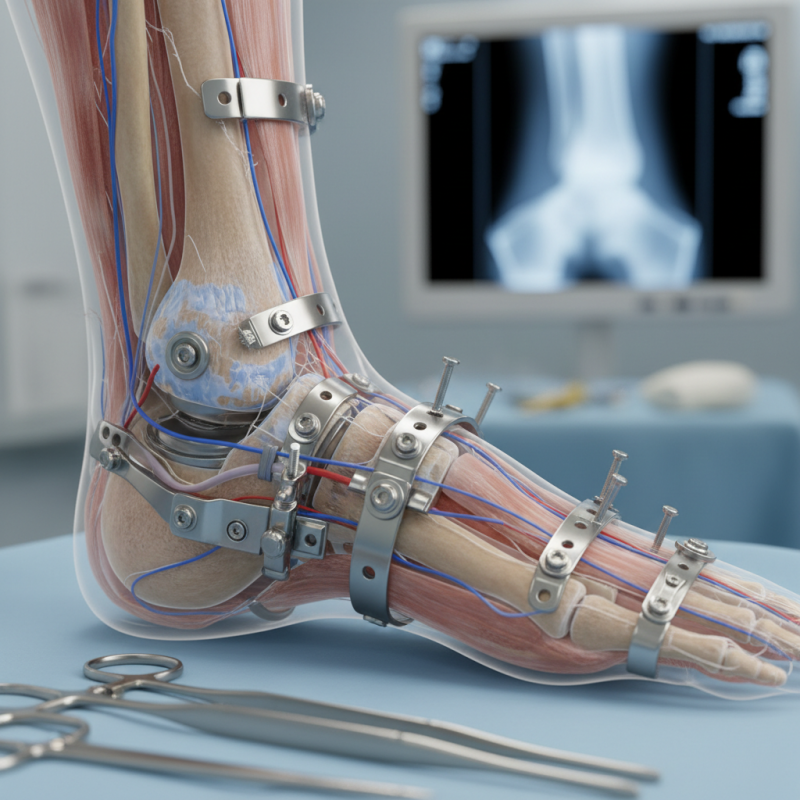
An ankle fracture occurs when one or more bones in the ankle joint break. This injury often results from high-impact activities. Sports accidents, falls, and car collisions are common causes. Many people underestimate the force needed to break an ankle. Sometimes, even a simple misstep can lead to a fracture.
Symptoms of an ankle fracture include swelling, bruising, and intense pain. Activity can worsen these symptoms. Not every fracture is visible on initial X-rays. Some injuries may require further imaging to diagnose fully. Recognizing a fracture early is vital for proper healing. Ankle fractures can lead to long-term complications if not treated promptly.
Recovery from an ankle fracture can be lengthy. It often involves rest and physical therapy. Patients might feel frustrated during this process. Sometimes, fractures do not heal as expected, requiring additional treatment. Understanding the injury's nature allows patients to make informed decisions about care. Seeking medical advice can help ensure better outcomes, especially in complex cases.
Ankle Fracture Surgery Statistics
This chart illustrates the common causes of ankle fractures based on percentage occurrence. Falls account for the largest share, followed by sports injuries and traffic accidents. Understanding these statistics can help in awareness and preventative measures.
Indications for Surgery: When Is Ankle Fracture Surgery Necessary?
Ankle fracture surgery becomes necessary when the bones are severely displaced or unstable. Indications for surgery often include multiple fractures, an open fracture, or when the ankle joint’s alignment is compromised. X-rays and physical exams help doctors determine the best course of action.
Patients experiencing severe pain, swelling, or inability to bear weight may require surgical intervention. Surgery aims to restore the normal anatomy of the ankle. This can involve plates, screws, or even pins to secure bones. The recovery time may vary based on the severity of the fracture and the surgical method used.
Tips: Always seek a second opinion if unsure about surgery. It’s important to discuss all options with your healthcare provider. Ensure you understand the rehabilitation process, as it is crucial for your recovery. Practices such as gentle mobility exercises post-surgery can enhance healing and reduce stiffness. Always listen to your body and consult your doctor with any concerns that arise during recovery.
Post-Operative Care and Recovery After Ankle Fracture Surgery
After ankle fracture surgery, post-operative care is crucial. Patients typically need to keep the foot elevated to reduce swelling. Wearing a supportive boot helps stabilize the ankle, preventing further injury during recovery. This boot should be worn day and night as directed by the surgeon. Regular check-ups are essential to monitor healing progress.
Pain management is also key during recovery. Over-the-counter medications may be suggested, but it's important to follow the healthcare provider's recommendations. Physical therapy often starts within a few weeks post-surgery. Gradual movement helps restore strength and flexibility to the ankle. However, it's not uncommon for patients to feel frustration during this phase.
Diet and hydration play important roles in recovery. Adequate nutrients aid in bone healing. Yet, some patients may overlook their dietary needs, leading to slower recovery. Taking the time to focus on health can greatly affect outcomes. Being proactive about care can make the healing process smoother and more effective.
What is Ankle Fracture Surgery and How Does It Work? - Post-Operative Care and Recovery After Ankle Fracture Surgery
| Aspect |
Details |
| Surgery Purpose |
To stabilize and heal the broken ankle bones. |
| Common Methods |
Open reduction and internal fixation (ORIF), external fixation. |
| Anesthesia Type |
General anesthesia or regional anesthesia. |
| Expected Duration |
1 to 2 hours, depending on the complexity. |
| Post-Op Care |
Keep the foot elevated, apply ice, manage pain with medications. |
| Recovery Time |
6 weeks to 3 months, varying with injury severity. |
| Physical Therapy |
Usually starts 2-6 weeks post-surgery to regain strength. |
| Complications |
Infection, nonunion, malunion of bones, stiffness. |
Potential Risks and Complications Associated with Ankle Fracture Surgery
Ankle fracture surgery is often necessary to restore function and stability. Though it can be effective, potential risks should not be overlooked.
Common complications include
infection,
bleeding, and
nerve damage.
Each of these risks can significantly impact recovery.
Infection can result from surgical incisions. It may lead to longer healing times or require additional procedures.
Bleeding during or after surgery can complicate recovery. Excessive bleeding can necessitate blood transfusions, increasing the chance of further complications.
Nerve damage is another concern. It may cause lingering pain, numbness, or weakness in the foot. These outcomes can be frustrating and may require physical therapy to overcome.
Surgeons work diligently to minimize these risks, but complications can sometimes arise unexpectedly. Being aware of these potential issues allows patients to prepare for their journey to recovery.