How to Prepare for Limb Lengthening Surgery in 2026?
In recent years, Limb Lengthening Surgery has gained significant attention. As Dr. Emily Carter, a renowned orthopedic surgeon, states, "Preparation is key for a successful outcome." This insight highlights the importance of thorough planning.
For those considering this procedure in 2026, understanding the steps involved is crucial. Each patient's journey is unique, and careful preparation can enhance the experience. Researching the surgery, potential risks, and recovery processes is vital. Having realistic expectations can alleviate anxiety.
Moreover, discussing concerns with healthcare professionals can offer reassurance. Engaging with support groups can provide insights from others who have undergone Limb Lengthening Surgery. Each story carries valuable lessons. Embracing uncertainties can also foster personal growth.
Understanding Limb Lengthening Surgery: Current Trends and Innovations
Limb lengthening surgery has evolved significantly in recent years. Surgeons now utilize advanced techniques and technologies. Minimally invasive methods reduce recovery time. New materials in fixation devices improve patient comfort.
Patients should know the psychological aspects of this procedure. Lengthening can alter body image and self-esteem. Awareness of potential complications is crucial. Some patients experience discomfort or dissatisfaction with results.
It is essential to consult with specialists who understand each patient’s needs. Discussing realistic expectations helps in the planning phase. Understanding current trends leads to informed decisions. Emphasizing ongoing research and innovation can ease apprehensions. Preparing mentally and physically is paramount before surgery.
Patient Eligibility Criteria for Limb Lengthening: Assessing the Need
Limb lengthening surgery is a significant medical procedure. Before undergoing this surgery, patients must meet specific eligibility criteria. Physical health is the primary factor. Doctors assess overall wellness and any underlying conditions. Patients should be free from serious illnesses that could complicate recovery.
Age is another critical aspect. Most candidates are between 14 and 40 years old. Young adults have better bone healing abilities.
Psychological readiness also plays a role. Patients need to understand the procedure's risks and benefits. A strong support system is essential for mental well-being during the recovery phase.
Additionally, patients should have realistic expectations. They must grasp the expected outcomes and limitations. Surgery results vary based on individual circumstances. This underscores the importance of thorough pre-operative evaluations. Initial consultations with specialists provide valuable insights. Open discussions about goals and worries help set the right foundation for the journey ahead.
Preoperative Preparations: Medical Tests and Psychological Evaluation
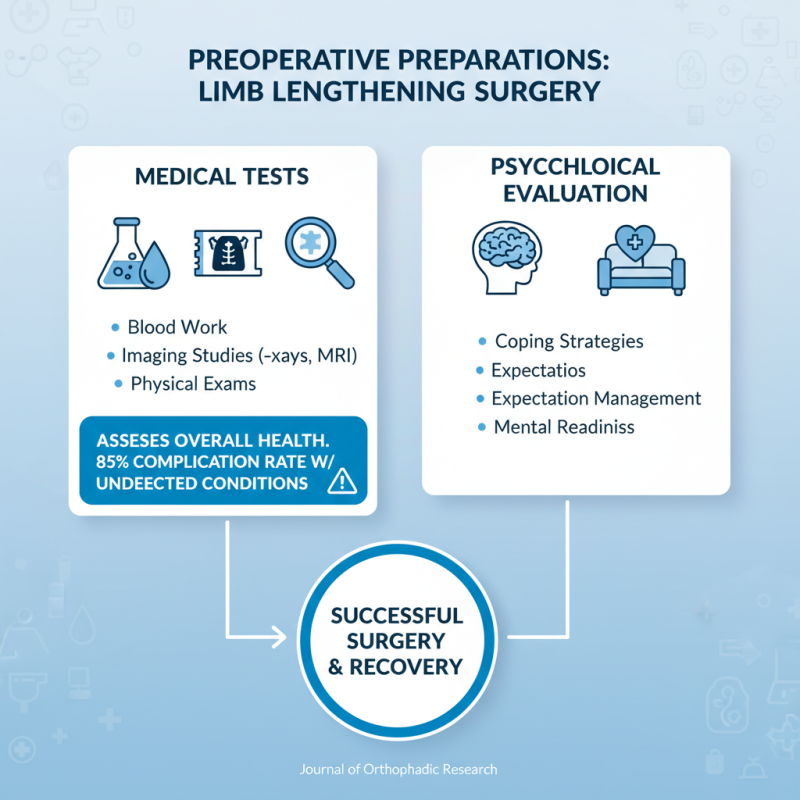
Preparing for limb lengthening surgery involves crucial preoperative steps. Medical tests are essential to assess overall health. These tests typically include blood work, imaging studies, and physical exams. A study from the Journal of Orthopaedic Research indicated that 85% of candidates experience some degree of complication due to pre-existing conditions that were undetected before surgery. This data underscores the importance of thorough testing.
Psychological evaluation is equally vital. This surgery can be mentally taxing, leading to anxiety or depression in some patients. The American Psychological Association highlights that nearly 40% of individuals may require counseling before and after the procedure. The evaluation should address coping strategies and expectations. It is common for patients to feel uncertain about the outcomes, needing to reflect on their motivations and health goals. Discussing these feelings with a professional helps prepare for the journey ahead.
Many patients overlook the emotional aspect of this process. It is easy to focus solely on physical results. Yet, acknowledging potential emotional struggles is crucial. Engaging with mental health professionals can provide valuable insights and support. This holistic approach ensures that candidates are ready, not just physically, but emotionally for the challenges of limb lengthening surgery.
Postoperative Care and Rehabilitation Strategies for Optimal Recovery
Postoperative care after limb lengthening surgery is crucial for achieving optimal recovery. Patients often face discomfort and mobility challenges initially. A well-structured rehabilitation plan can make a difference. Begin by focusing on pain management. Over-the-counter medications may help, but always follow your surgeon's advice. Pain can be a barrier to movement, so addressing it early is important.
Rehabilitation should start gently. Physical therapy often begins within days of surgery. Early exercises may include light stretching. These activities aim to maintain range of motion. As strength improves, more intense exercises can be introduced. Progress is rarely linear. Some days may feel like setbacks. Keeping a positive mindset helps.
Regular follow-up appointments are essential. These check-ups allow your healthcare team to monitor progress. Adjustments in rehabilitation may be necessary. Open communication with your therapist is vital. If something doesn't feel right, speak up. Sharing your experiences can lead to better care. Remember, recovery can be a winding path filled with challenges. Embrace the journey.
Future Directions in Limb Lengthening Surgery: Advances by 2026
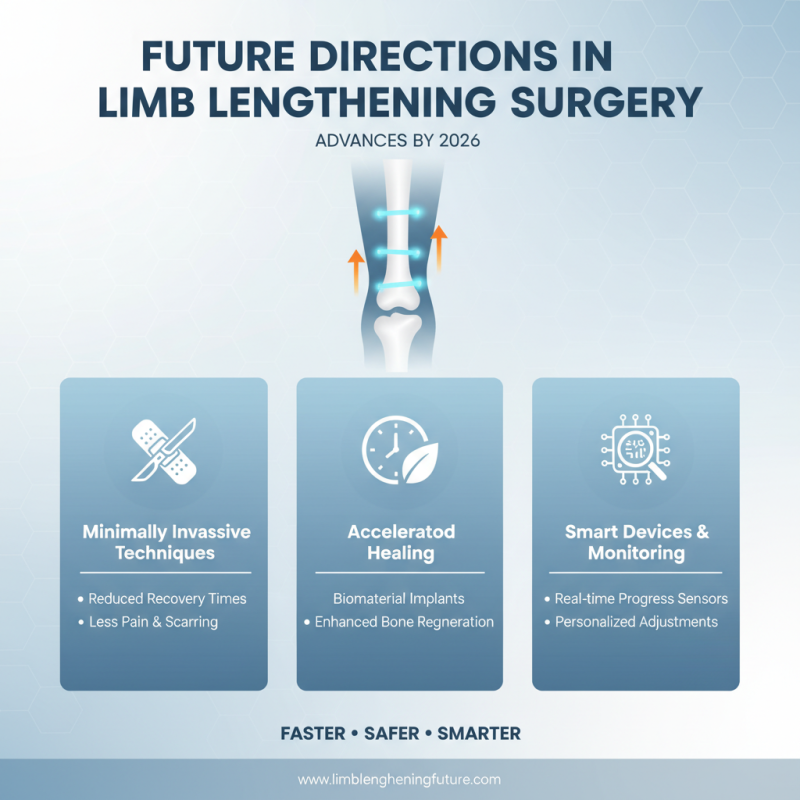
The future of limb lengthening surgery looks promising as we approach 2026. Advances in technology are reshaping this field. Innovations in minimally invasive techniques are reducing recovery times. Patients may benefit from faster healing and less pain after procedures. Devices are becoming more sophisticated, equipped with sensors that monitor progress in real-time.
Research is exploring gene therapy's role in bone regeneration. This could enhance healing and growth rates significantly. Doctors are optimistic, but challenges remain. Understanding how the body reacts to these methods is crucial. Each patient's experience can differ greatly. Customization in treatment plans is vital for success.
Collaboration among specialists will be key in advancing these techniques. Surgeons, geneticists, and rehabilitation experts must work together. This interdisciplinary approach may lead to breakthroughs. However, expectations should be realistic. Limb lengthening surgery requires careful planning and commitment. Patients need to be aware of the risks and rewards.