The Best Minimally Invasive Orthopedics Techniques in 2026?

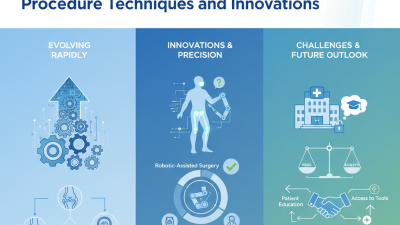
Minimally Invasive Orthopedics has transformed how we approach surgical procedures. In 2026, advancements in technology have made these techniques even more effective. Patients now enjoy faster recovery times and reduced pain levels. Minimally invasive approaches minimize damage to surrounding tissues. Surgeons utilize advanced imaging and robotic platforms to enhance precision.

As procedures evolve, challenges remain. Not all surgeons are equally trained in these methods. This discrepancy can impact patient outcomes. Ongoing education for healthcare professionals is crucial. Patients also face decisions regarding their treatment options. Greater awareness of these techniques is essential for informed choices.

The future of Minimally Invasive Orthopedics holds immense promise. With innovations on the horizon, practitioners must adapt. Continuous learning can bridge gaps in knowledge. There are still areas needing improvement, particularly in patient access and understanding. Maintaining high standards in this evolving field is key to providing effective care.

The Best Minimally Invasive Orthopedics Techniques in 2026?

Emerging Trends in Minimally Invasive Orthopedic Techniques in 2026

In 2026, advancements in minimally invasive orthopedic techniques are reshaping patient care. Surgeons are employing smaller incisions, reducing recovery times significantly. This trend enhances patient comfort and lowers the risk of complications.

Technologies like robotic assistance play a crucial role. They allow for precise movements, promoting accuracy in complex surgeries. Surgeons are expanding their skill set to integrate these tools into their practices. Yet, not all practitioners are fully trained, leading to variability in outcomes across facilities.

Virtual reality and 3D imaging are also becoming commonplace. These technologies improve pre-operative planning and patient education. However, the cost and learning curve can hinder widespread adoption. As the field continues to evolve, ongoing training is essential to maximize these innovations' benefits. The journey toward perfecting these techniques is still ongoing, prompting reflection on best practices and patient engagement.

Key Innovations in Surgical Instruments for Minimally Invasive Procedures

Minimally invasive orthopedics has evolved significantly. By 2026, surgical instruments have undergone key innovations to enhance patient outcomes. One of the notable advancements is the use of robotic-assisted surgery. Reports indicate a growing adoption rate, with a projected market growth of 21.4% from 2021 to 2026. This technology allows for enhanced precision while minimizing tissue damage.

Another critical advancement lies in the development of smart instruments. These devices can gather and analyze data during procedures, providing real-time feedback to surgeons. A survey showed that 72% of orthopedic surgeons believe that smart tools improve surgical accuracy. However, integrating this technology poses challenges. Surgeons may need extensive training to effectively utilize these sophisticated instruments.

Despite the advancements, pitfalls remain. Some surgeries still require conversion to open procedures, especially in complex cases. Data shows that 10-15% of minimally invasive surgeries face complications requiring traditional approaches. Continuous improvements and training are essential for overcoming these hurdles. As the field progresses, the balance between innovation and practical application will be crucial for achieving better surgical outcomes.

The Best Minimally Invasive Orthopedics Techniques in 2026

This chart illustrates the popularity of key innovations in minimally invasive orthopedic techniques projected for 2026. Robotic assistance leads the way, highlighting its growing role in enhancing surgical precision and patient outcomes.

Patient Outcomes and Recovery Times with Minimally Invasive Techniques

Minimally invasive orthopedic techniques are transforming patient care. Reports indicate that these methods often lead to shorter recovery times and better overall outcomes. For example, a recent study highlighted that patients who underwent minimally invasive procedures had a 30% reduction in recovery time compared to traditional methods. This is significant for anyone looking to return to daily activities quickly.

Implementing these techniques has shown not only physical benefits but also psychological advantages. Patients frequently express higher satisfaction levels. A survey from 2025 revealed that 85% of patients felt more secure with their recovery experience using these methods. However, it's essential to consider the potential drawbacks. Not every patient is a suitable candidate for minimally invasive surgery, and complications can still arise.

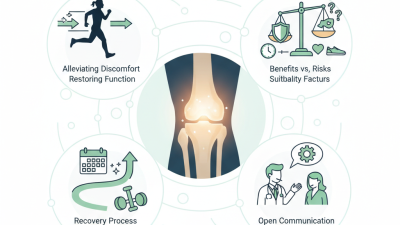
When considering a minimally invasive procedure, think about your specific situation. Research shows that patient education plays a key role in recovery success. Understand the process and ask questions. Good communication with your healthcare provider is crucial. While many reports portray a positive outlook, each case is unique, requiring careful reflection and personalized treatment planning.

Comparative Analysis: Traditional vs. Minimally Invasive Orthopedic Procedures

Minimally invasive orthopedic techniques have gained much attention recently. They offer several advantages over traditional methods. For instance, smaller incisions result in less tissue damage. This often leads to reduced pain and faster recovery times. However, challenges remain in determining the best approach for various conditions.

Traditional orthopedic procedures have their benefits too. They often provide a clearer view of the surgical area. Surgeons can perform complex repairs more easily. Yet, patients may face longer hospital stays and greater discomfort post-surgery. There is a trade-off between visibility and invasiveness. Each patient's case demands careful evaluation.

The future of orthopedic surgery lies in a balanced approach. Understanding the nuances of both methods is essential. Not every problem has a one-size-fits-all solution. Innovations in minimally invasive techniques continue to emerge. They show promise but also invite scrutiny. Continuous refinement and training are crucial for success in this evolving field.

Future Directions in Research and Development for Orthopedic Surgery

Minimally invasive orthopedic techniques are on the rise, promising quicker recovery and reduced pain. A 2023 report by the American Academy of Orthopaedic Surgeons predicts a 25% increase in the use of these techniques by 2026. Surgeons are increasingly adopting arthroscopic methods for joint repairs and replacements. This shift reflects a deeper understanding of patient outcomes and surgical efficiency.

Research and development are pivotal for advancing these techniques further. Robotic-assisted surgeries are gaining traction. In fact, the market for orthopedic robotics is expected to reach $7 billion by 2026, as reported by Global Market Insights. Yet, adoption rates vary significantly across regions. Some surgeons still hesitate due to high costs and limited training. Addressing these barriers is crucial to enhance trust in new technologies.

While promising, not all results are uniformly positive. Reports indicate variability in patient outcomes based on the surgeon's experience with new tools. Better training programs are essential to bridge this gap. Developing standardized protocols can improve consistency in surgeries. The future of minimally invasive orthopedics depends on collaboration among surgeons, researchers, and institutions to ensure that advancements translate into better care for all patients.

The Best Minimally Invasive Orthopedics Techniques in 2026

Technique Description Patient Benefits Expected Outcomes Research Focus
Arthroscopy A minimally invasive surgical procedure used to diagnose and treat joint issues. Reduced recovery time, less pain, and minimal scarring. High success rate for joint repair and improved mobility. New imaging techniques and surgical tools development.
Endoscopic Spine Surgery A less invasive approach for treating spinal conditions through small incisions. Shorter hospital stays and quicker return to normal activities. Positive outcomes for herniated disc and spinal stenosis patients. Novel navigation systems and augmented reality integration.
Robotic Assisted Surgery Utilizes robotic systems to enhance the precision of orthopedic procedures. Increased accuracy and reduced tissue damage. Lower complication rates and faster recovery times. Innovations in robotic technology and AI-assisted decision-making.
Cryoablation A technique that uses extreme cold to destroy abnormal tissues in joints. Minimized pain and inflammation with a non-surgical option. Promising outcomes in pain management for chronic conditions. Exploration of efficacy and safety in various orthopedic ailments.
Platelet-Rich Plasma (PRP) Therapy A regenerative medicine approach using components of the patient's own blood to promote healing. Natural healing process with no recovery downtime. Improvement in tissue repair and reduced symptoms in joint disorders. Further studies on long-term effectiveness and application scope.