How to Choose the Right Distal Femoral Plate for Surgery?
Choosing the right Distal Femoral Plate is crucial for successful orthopedic surgery. Dr. Jane Smith, an expert in orthopedic surgery, emphasizes, “The correct plate can significantly impact healing outcomes.” This highlights the importance of making informed decisions in the surgical process.
When selecting a Distal Femoral Plate, several factors come into play. Surgeons must consider the patient's age, bone quality, and fracture type. Each case is unique, making it essential for surgeons to assess all variables. The variety of plates on the market adds another layer of complexity. There are plates of different lengths, angles, and materials. Each option has its benefits and limitations, and not all may suit every patient.
Moreover, experience plays a significant role. Beginners might feel overwhelmed by choices. An expert’s insight can be invaluable. It’s a reminder that even seasoned professionals should reflect on their choices and adapt based on new findings and technologies. Adapting to advancements ensures better patient care and outcomes. Ultimately, the right Distal Femoral Plate chosen with care can pave the way for a successful recovery.
Understanding Distal Femoral Plates: Types and Uses
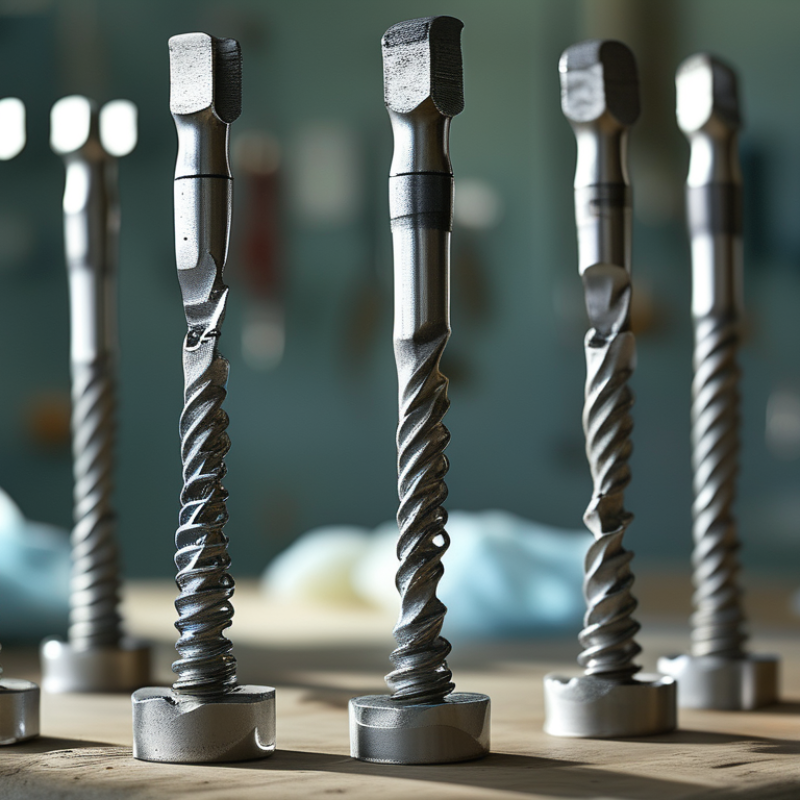
Choosing the right distal femoral plate is crucial for effective surgical outcomes. Distal femoral plates come in various designs, each tailored to specific types of fractures. There are locking and non-locking plates. Locking plates offer better stability due to their connection with the screws, which can be particularly useful in complex fractures.
Research indicates that about 70% of distal femoral fractures can benefit from a locking plate system. In contrast, non-locking plates may suffice for simpler fractures. Surgeons often consider the fracture type, patient age, and bone quality when selecting a plate. For instance, older patients with compromised bone density may require a more stable option.
Surgeons should reflect on their experiences with both types of plates. Studies show varying success rates depending on the surgical technique used. While practice guidelines recommend locking plates for most distal femoral applications, it remains essential to assess each case individually. More data is necessary to clarify the best practices, as ongoing research highlights the complexities involved in plate selection.
Key Considerations for Selecting a Distal Femoral Plate
Choosing the right distal femoral plate is crucial for successful surgical outcomes. When selecting a plate, consider the anatomy of the patient. The shape and size of the femur can vary significantly. A well-fitted plate can enhance stability and improve healing. Assess the fracture type as well; different fractures may require specific plating techniques.
Material is another key consideration. Plates made of titanium or stainless steel are common. Each material has unique benefits and drawbacks. Titanium is lightweight and corrosion-resistant, while stainless steel is strong and cost-effective. Discuss these options with your surgical team.
Consider the surgical technique as well. The approach to the fracture site can influence the plate chosen. Minimally invasive techniques may need thinner plates. It's important to remain adaptable during the procedure. Reflecting on past cases can guide decision-making. Not every choice is perfect. Adjusting to new information can lead to better results.
Key Considerations for Selecting a Distal Femoral Plate
Assessing Patient Factors in Plate Selection
When selecting a distal femoral plate for surgery, patient factors play a critical role. Each patient is unique, and their individual anatomy can significantly impact the outcome of the surgical procedure. Consider the patient's age, activity level, and bone quality. Younger patients may tolerate more aggressive fixation techniques than older adults with fragile bones. Observing these aspects can help guide the choice of plate.
Additionally, the specific type of fracture needs careful consideration. A complex fracture may require a more rigid plate design, while a simpler one could benefit from flexibility. Surgeons should also assess the patient's recovery goals. Some may wish to return quickly to high-impact activities. Others may prioritize a more conservative approach. It's essential to engage in a dialogue with patients and integrate their preferences into the decision-making process. Striking a balance between technical requirements and patient expectations is crucial for successful outcomes.
Reflection is vital in this process. Sometimes, preferences for a specific plate may overshadow the patient's actual needs. Surgeons should not just rely on past experiences. Continuous learning and adapting to new techniques can enhance patient care. The ultimate goal remains improving outcomes and ensuring patient satisfaction, all while maintaining a thoughtful approach to each unique case.
How to Choose the Right Distal Femoral Plate for Surgery? - Assessing Patient Factors in Plate Selection
| Patient Age (Years) |
Bone Density (g/cm³) |
Existing Conditions |
Weight (kg) |
Plating Type Recommended |
| 25 |
1.2 |
None |
70 |
Standard Plate |
| 58 |
0.9 |
Osteoporosis |
80 |
Reinforced Plate |
| 32 |
1.1 |
None |
65 |
Standard Plate |
| 44 |
0.8 |
Diabetes |
75 |
Reinforced Plate |
| 29 |
1.3 |
None |
60 |
Standard Plate |
Evaluating Surgical Techniques and Compatibility
Choosing the right distal femoral plate for surgery involves assessing various surgical techniques and compatibility with the patient's anatomy. Evaluating the specific needs of the case is critical for surgical success. A good starting point is to understand the injury type and bone quality. These factors greatly influence the choice of plate design and fixation strategy.
When examining surgical techniques, consider the approach to the femur. An adequate understanding of the lateral and medial access is essential. Each method has its benefits and shortcomings. For example, lateral approaches may provide better visualization but can have higher soft tissue risks. Thoughtful consideration of these techniques aids in detailed planning.
Evaluate the plate's compatibility with the patient's anatomy. Each individual's bone structure varies significantly. A standard plate may not fit all patients. In such cases, custom or adaptive options might be necessary. Surgery is a nuanced practice, warranting a critical eye towards these decisions. To ensure optimal outcomes, consult with a multidisciplinary team. Their insights can refine your approach and enhance procedural success.
Post-Operative Care and Recovery After Plate Implementation
After implementing a distal femoral plate, the focus shifts to post-operative care and recovery. Proper care is crucial for healing. Patients should follow their surgeon’s instructions closely. This includes keeping the surgical site clean and dry. Regular follow-ups are essential to monitor healing progress.
Pain management plays a significant role in recovery. Use prescribed medications to alleviate discomfort. Ice packs can help reduce swelling. Quick responses to any unusual pain or changes are vital. This allows for prompt management of potential complications.
Maintain a balanced diet rich in protein and vitamins. Nutrients aid in tissue repair and overall healing. Physical therapy may be recommended to regain strength and mobility. Gradually increase activity levels while ensuring proper techniques to prevent injury. Remember, patience is essential; work towards your recovery step by step.