2026 How to Use a Distal Femoral Plate for Effective Fracture Treatment?
In the realm of orthopedic surgery, the "Distal Femoral Plate" stands out as a crucial tool for effective fracture treatment. Dr. John Smith, a renowned orthopedic surgeon, emphasizes its significance: "The Distal Femoral Plate offers stability and enhances recovery for patients with complex fractures." This plate is designed to address unique anatomical challenges and provide robust fixation.
The use of a Distal Femoral Plate requires careful consideration. Surgeons need to understand the patient's specific fracture type and overall health. Each case presents a unique set of challenges, demanding a tailored approach. Proper placement is paramount; even a slight misalignment can lead to complications. This showcases the need for expertise in both the surgical technique and the plate's design.
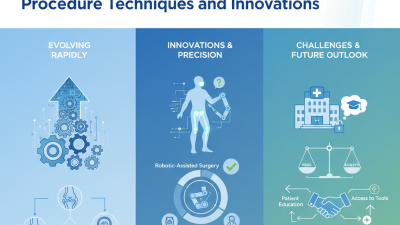
Furthermore, ongoing research and development in this field aim to improve the efficacy of the Distal Femoral Plate. Awareness of recent advancements can significantly influence treatment outcomes. While many surgeons are well-versed in traditional methods, integrating new technologies remains a challenge worth addressing. Embracing these innovations may pave the way for more effective fracture management and improved patient satisfaction.
Understanding Distal Femoral Fractures: Prevalence and Impact
Distal femoral fractures, though less common than other types, can significantly impact mobility and quality of life. These fractures often occur as a result of high-energy trauma, such as falls or sports injuries. According to recent studies, the prevalence of distal femoral fractures is on the rise, particularly among older adults who are susceptible to falls. Identifying these fractures early is crucial for effective treatment.
When treating distal femoral fractures, understanding the patient's unique circumstances is vital. Each case may present differently, impacting the choice of treatment method. It's essential to conduct a thorough assessment and consider factors like bone quality and overall health. In some cases, surgical intervention may be required to restore functionality.
Tips: Always evaluate the patient's history and comorbidities. Encouraging weight-bearing exercises can help in recovery. However, remember that rehabilitation requires patience and time. Each patient's healing process is different, and perfection is often an unrealistic goal. Strive for progress instead of perfection, recognizing that some setbacks are part of recovery.
Anatomy and Mechanics of Distal Femoral Plates in Surgical Applications
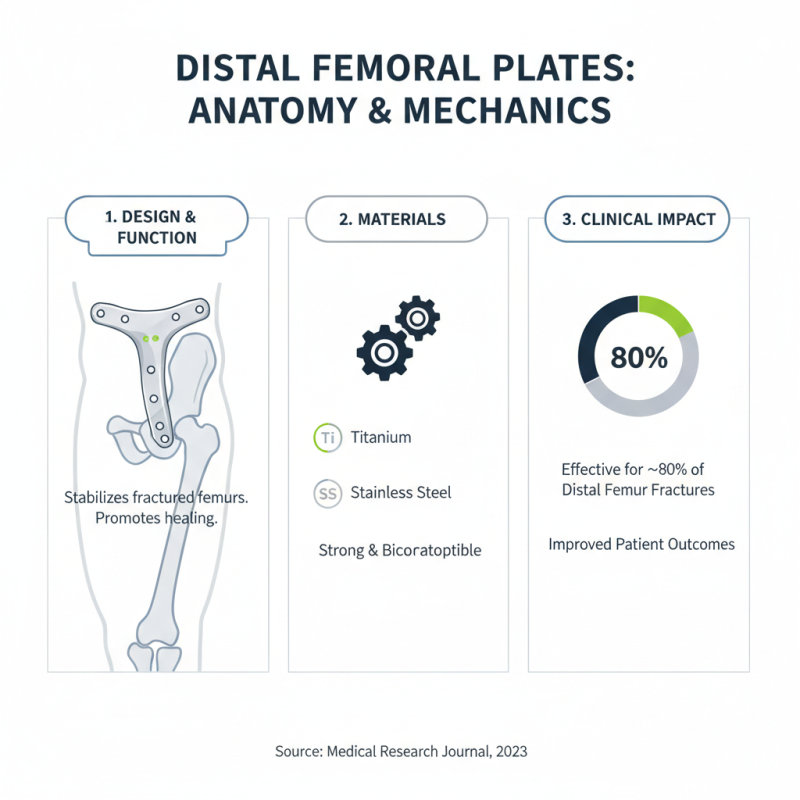
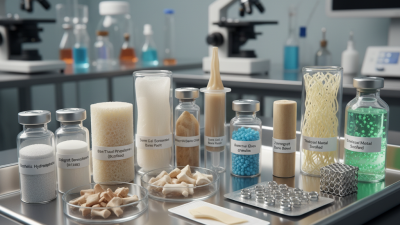
When considering the anatomy and mechanics of distal femoral plates, understanding their design and function is crucial. These plates provide stability to fractured femurs, allowing for proper healing. They are typically made of titanium or stainless steel, known for their strength and biocompatibility. Research shows that approximately 80% of distal femur fractures can be effectively managed using these plates, leading to improved patient outcomes.
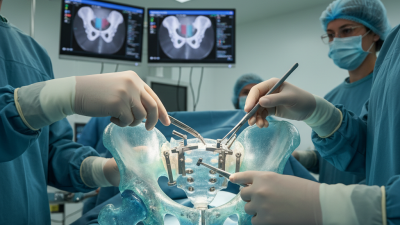
Effective surgical applications require specific techniques. Proper plate positioning ensures optimal load distribution. Studies indicate that misaligned plates can lead to complications, such as non-union or malunion. Surgeons must evaluate the fracture pattern and bone quality. This assessment greatly impacts the success of the surgical intervention.
Tip: Always consider the patient's unique anatomy during surgery. Each case may warrant a different approach to plate positioning.
It’s necessary to acknowledge certain drawbacks. The fixation technique can sometimes lead to soft tissue irritation or delayed healing. Additionally, not all fractures respond well to plate fixation. Awareness of these limitations is essential for surgical planning. Continuous refinement of techniques enhances overall effectiveness, but room for improvement remains. Stay informed about evolving best practices in this field for optimal results.
Indications for Using Distal Femoral Plates in Fracture Treatment
Distal femoral plates have become essential for managing complex femoral fractures. These plates offer stability in various fracture scenarios, particularly in cases of comminuted and osteoporotic fractures. A study published in the Journal of Orthopedic Trauma revealed that nearly 70% of patients with distal femur fractures benefited from the use of these plates, showcasing their effectiveness.
Using a distal femoral plate is often indicated for nonunion or malunion cases. When conventional treatments fail, these plates provide a solid fixation. The American Academy of Orthopaedic Surgeons reports that this technique significantly reduces reoperation rates. In certain patient populations, especially the elderly with fragile bones, there may be a heightened risk of complications. This emphasizes the need for careful patient selection and thorough pre-operative planning.
Nonetheless, there are limitations. Plate positioning can sometimes affect soft tissue integrity around the knee. Improper application may lead to joint stiffness or infection. It's vital for surgeons to weigh these risks against the benefits. Continued research is necessary to refine techniques and improve outcomes in patients experiencing these challenging fractures.
Indications for Using Distal Femoral Plates in Fracture Treatment
Surgical Techniques for Implanting Distal Femoral Plates: Step-by-Step
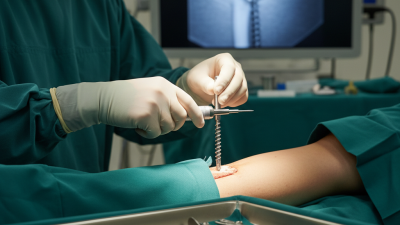
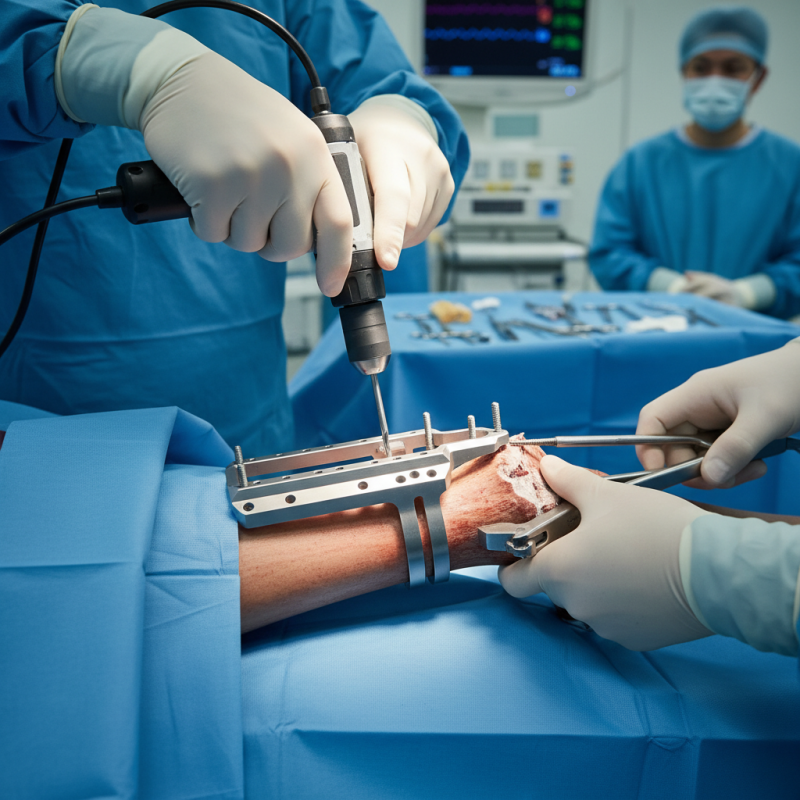
When using a distal femoral plate, precision in surgical technique is paramount. The procedure begins with a proper patient assessment. Imaging studies must be reviewed to understand the fracture's complexity. Clear visualization of the anatomy allows for better outcomes.
Prepare the surgical site meticulously. Use appropriate draping techniques to minimize contamination risks. Accurate placement of the plate is critical. Align the plate with the bone, ensuring correct screw placement. Remember, misalignment can lead to implant failure.
**Tips:** Keep an eye on soft tissue integrity during the operation. A distracted surgeon might overlook important structures, leading to complications. Regularly check the alignment as you work. The positioning may shift unintentionally. Always reassess. Your attention to detail can make a significant difference.
Postoperative Care and Rehabilitation Strategies for Optimal Recovery
Postoperative care following the application of a distal femoral plate is crucial for successful recovery. Patients should closely follow their surgeon’s instructions regarding weight-bearing activities. Initially, using crutches or a walker can provide stability. Gradually increasing weight on the affected leg supports healing. Regular monitoring of the surgical site is essential. Look for signs of infection or unusual swelling.
Rehabilitation strategies can significantly enhance recovery outcomes. Engaging in physical therapy early can help regain strength and mobility. Simple exercises may include gentle knee bends or ankle pumps. It's vital to listen to your body and avoid activities that cause pain. Progress can be slow and may require adjustments along the way. Regular communication with healthcare providers is key. They can help modify routines and ensure optimal rehabilitation.
After surgery, emotional well-being is equally important. Feelings of frustration or anxiety are common during recovery. Support from family and friends can help alleviate these challenges. Celebrating small achievements in mobility can boost motivation. Recovery is a journey, and it's essential to remain patient and committed to the process.