10 Best Ilizarov External Fixator Options for Effective Bone Healing?
The Ilizarov External Fixator has revolutionized orthopedic practices for bone healing. It's widely recognized for its effectiveness in treating complex fractures and deformities. According to a study published in the Journal of Orthopedic Trauma, nearly 85% of patients experience successful bone union with this method. This high success rate directly stems from its biomechanical design, allowing controlled distraction osteogenesis.
Surprisingly, challenges still arise. Some patients report discomfort during treatment, and infection remains a concern in a minority of cases. Research indicates that these incidents can affect recovery timelines. Importantly, expertise in fitting the Ilizarov External Fixator is crucial. Proper training can significantly increase patient outcomes and minimize risks.
Healthcare professionals continue to explore optimal usage of this device, including advancements in material technology. Recent data shows promising results with novel materials that reduce weight and increase patient comfort. As the field evolves, the Ilizarov External Fixator remains a focal point of innovation in orthopedic solutions. The journey toward perfecting bone healing is ongoing, and reflection on current practices is essential for future improvements.
Overview of Ilizarov External Fixator and Its Uses in Orthopedics
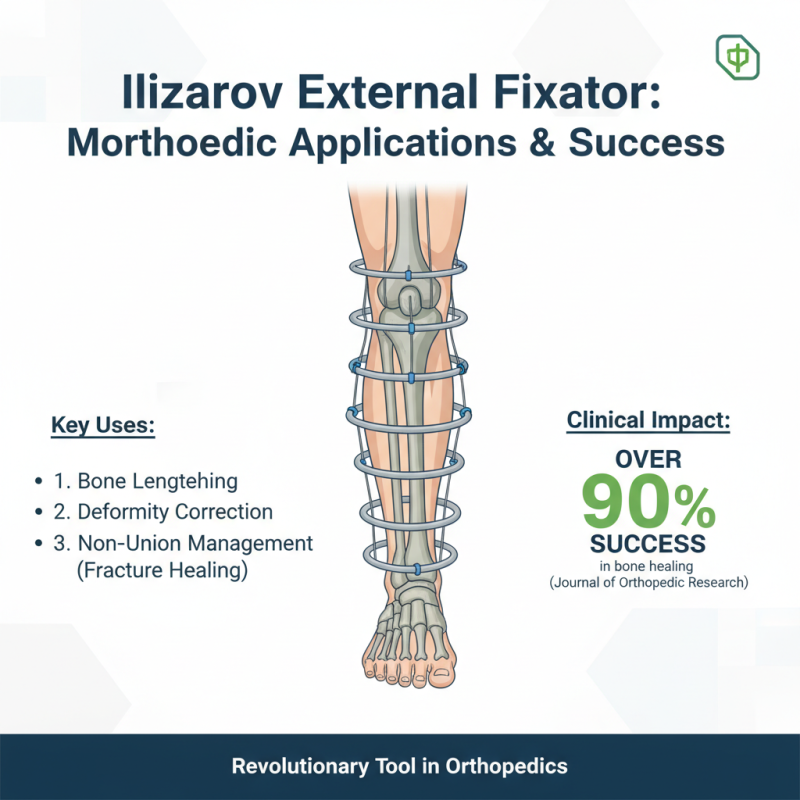
The Ilizarov external fixator is a revolutionary tool in orthopedics. It is widely used for bone lengthening, deformity correction, and management of non-unions. A study published in the "Journal of Orthopedic Research" highlighted that the fixator can increase bone healing rates significantly, often achieving over 90% success in specific patient categories.
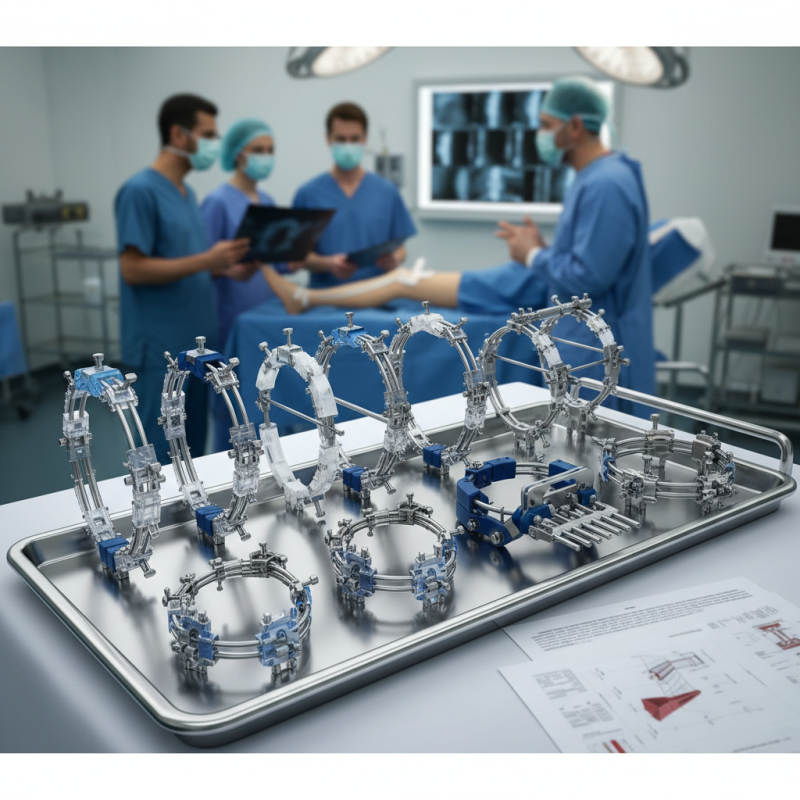
This device consists of a circular frame that affixes to the bone through pins. The mechanical design allows for controlled distraction, leading to gradual bone regeneration. Research shows that the average healing time can differ based on individual conditions. Yet, the framework's versatility is evident. In cases involving complex fractures, timely application can be critical for optimal recovery outcomes.
There are challenges in utilizing the Ilizarov fixator. Complications such as pin site infections can occur in up to 15% of patients. Proper care and monitoring are essential for reducing these risks. Additionally, some patients report discomfort due to the fixator's bulkiness. Continuous training and education of healthcare providers can mitigate such issues, ensuring better patient experiences and outcomes.
Key Features to Look for in an Effective Ilizarov External Fixator
When selecting an Ilizarov external fixator, consider its weight. A lightweight option can enhance patient comfort and mobility. However, it should not compromise stability. Rigid construction is essential to maintain proper alignment and support throughout the healing process.
Adjustability is another critical feature. An effective fixator should allow for precise adjustments. This helps in fine-tuning bone alignment as it heals. Some fixators offer easy-to-use mechanisms for adjustments. This convenience aids in patient compliance and overall satisfaction.
Bone healing is a complex process. Therefore, the design should facilitate proper circulation around the injury site. Look for a fixator that provides ample space between the frame and the skin. This reduces the risk of infections. While many options exist, not all provide adequate ventilation and hygiene. Be mindful of these aspects to ensure effective healing.
Top 10 Ilizarov External Fixators Recommended by Medical Professionals
When it comes to effective bone healing, the Ilizarov external fixator has become a vital tool for orthopedic surgeons. Medical professionals commonly recommend this device due to its ability to stabilize fractures and promote healing through distraction osteogenesis. Surgeons appreciate its versatility, as it can be adjusted according to the patient's specific needs. However, not all external fixators are created equal. Each option has its nuances and limitations.
Choosing the right fixator requires understanding the patient’s condition. Some options offer enhanced stability in complex fractures. Others may provide better comfort for long-term use. It's crucial to consider factors like patient mobility and the potential for complications. Some patients report discomfort, which can affect their willingness to adhere to treatment. Moreover, the learning curve for surgeons can impact their effectiveness. Proper technique is essential for successful outcomes.
Feedback from patients plays a key role in improving these devices. Many report a desire for lighter materials and less intrusive designs. Continuing advancements in technology and materials aim to address these concerns. However, medical professionals must remain vigilant. They should evaluate options carefully to ensure the best care for each individual patient.
10 Best Ilizarov External Fixator Options for Effective Bone Healing
| Fixator Type |
Material |
Weight (g) |
Indications |
Adjustment Mechanism |
Price Range (USD) |
| Standard Ilizarov |
Stainless Steel |
750 |
Non-union fractures |
Manual |
1500 - 2000 |
| Circular Fixator |
Aluminum Alloy |
800 |
Bone lengthening |
Motorized |
2000 - 2500 |
| Monolateral Fixator |
Titanium |
600 |
Open fractures |
Manual |
1800 - 2200 |
| Hybrid Fixator |
Carbon Fiber |
650 |
Complex fractures |
Manual |
1900 - 2400 |
| Pediatric Fixator |
Stainless Steel |
500 |
Pediatric fractures |
Manual |
1200 - 1600 |
Comparative Analysis of Different Ilizarov Fixator Models
When considering Ilizarov external fixators, a comparative analysis reveals significant differences among various models. Evidence indicates that the choice of fixator influences patient outcomes significantly. Studies show that complications arise in 15% to 30% of cases. The most common issues include pin site infections, which can diminish the overall success of bone healing.
Different models offer unique features tailored to specific clinical needs. For instance, certain fixators allow for adjustable distraction rates, which enhance bone regeneration. Research highlights that accelerated healing times can be achieved with these adjustable systems, reducing the overall treatment period for patients. However, the complexity of some models increases the likelihood of user error. Training and experience become crucial in minimizing risks associated with these advanced devices.
Moreover, the material properties of the fixators are critical. Titanium and aluminum structures offer varying benefits in terms of strength and weight. A recent report noted that lightweight models reduced patient discomfort but may compromise stability. Understanding these trade-offs is essential for healthcare providers when selecting the appropriate fixator for effective bone healing. While newer models enter the market, ongoing evaluations of their performance and safety records remain necessary to ensure optimal patient care.
Patient Care and Best Practices for Using Ilizarov External Fixators
The Ilizarov external fixator is a pivotal tool in orthopedic care. It helps stabilize bone fractures, especially in complex cases. Using this device requires careful attention to patient care practices to ensure success. Patients must understand how the fixator functions. Regular education sessions can enhance their comprehension. Clear communication about the importance of hygiene is crucial. Keeping the pin sites clean can prevent infections.
Adjustment of the fixator is a delicate process. It’s essential to track the patient’s progress meticulously. Monitoring pain levels and mobility ensures early intervention if issues arise. Psychosocial support can aid recovery as well. Maintaining mental health is as important as physical healing. Some patients may struggle with the fixator’s appearance or discomfort. Open discussions can help address these feelings.
Documentation of each phase of treatment is vital. This provides valuable insights for future cases. Reflecting on past patient experiences can improve practices. Collaboration with skilled healthcare professionals is necessary for optimal outcomes. It is not uncommon for challenges to occur during treatment, but learning from these can lead to better strategies.
Bone Healing Effectiveness with Various Ilizarov External Fixator Options