2026 How to Manage Intertrochanteric Femoral Fracture Care?
Managing an intertrochanteric femoral fracture is a complex challenge. Dr. Alice Johnson, a renowned orthopedic surgeon, emphasizes, “Timely intervention is vital for optimal recovery.” This statement underscores the importance of effective strategies in treating this specific fracture type.
Intertrochanteric femoral fractures primarily affect the elderly due to falls. They require a multifaceted approach for management. Immediate assessment and proper imaging play crucial roles. Surgical intervention, often involving stabilization techniques, is essential for healing. However, each patient presents unique challenges in recovery, necessitating personalized care plans.
Despite advances, complications can arise. Issues like nonunion or infection complicate the healing process. Continuous evaluation and adaptability in treatment methods remain necessary. Managing intertrochanteric femoral fractures is not just about surgery; it’s about comprehensive patient care for better outcomes.

Understanding Intertrochanteric Femoral Fractures: Definition and Types
Intertrochanteric femoral fractures are a common orthopedic injury, often resulting from falls or accidents. These fractures occur in the upper thigh, between the femoral neck and the shaft. Understanding the types of intertrochanteric fractures is crucial for effective management. The two primary types are stable and unstable fractures. Stable fractures typically heal well with conservative treatment, while unstable fractures often require surgical intervention.
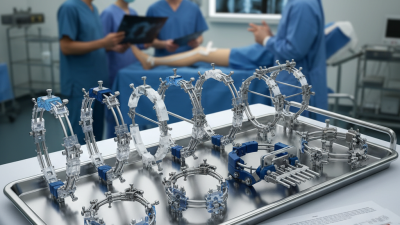
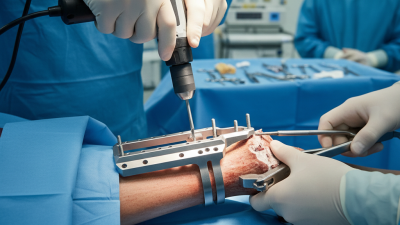
The management of these fractures requires expert evaluation. Specific factors influence treatment decisions, including age, health status, and lifestyle. Surgical options might include intramedullary nailing or external fixation. Each method has pros and cons. Surgical complications can arise, such as infection or improper alignment. This is a point where careful planning is essential.
Patients must be educated about their condition. Communication about recovery expectations is vital. Rehabilitation plays a significant role in regaining mobility. However, some patients may struggle with adherence to post-operative guidelines. This area needs further improvement and tailored strategies for better outcomes. Comprehensive care strategies should involve ongoing assessments to ensure optimal recovery.
Initial Assessment and Diagnosis of Intertrochanteric Femoral Fractures
Intertrochanteric femoral fractures are common in older adults, particularly following falls. An initial assessment is crucial for effective management. Begin with a thorough patient history, focusing on fall mechanisms and any underlying health conditions. Physical examination should assess for leg positioning, swelling, and tenderness around the hip. An abnormal rotation of the leg may indicate a fracture.
Imaging studies play a significant role in diagnosis. X-rays are typically the first step. They can reveal the fracture's location and severity. In unclear cases, a CT scan may be necessary for a detailed view. Accurate diagnosis directly impacts treatment choices. Misinterpretation of X-ray results can lead to complications in the healing process.
One challenge in assessment is differentiating between a fracture and other hip conditions. Physicians must be vigilant to avoid overlooking osteoarthritis or soft tissue injuries. Developing keen observational skills is essential. Continuous education and experience are vital in honing these skills. Radiation exposure during imaging also raises concerns. Balancing the need for accurate diagnosis with patient safety is a critical consideration.
Non-Surgical Management Strategies for Intertrochanteric Femoral Fractures
Non-surgical management of intertrochanteric femoral fractures is gaining traction. Studies show that approximately 45% of elderly patients with these fractures do not require surgical intervention. Factors like patient age, comorbidities, and fracture type heavily influence treatment choices. Effective non-surgical strategies focus on optimizing conservative care and pain management.
Early mobilization is crucial. Initiating range-of-motion exercises prevents stiffness and promotes recovery. Weight-bearing can also be introduced gradually, considering the patient's overall health. Expert recommendations suggest using assistive devices like walkers or crutches during this phase. This approach aligns with findings from the Journal of Orthopedic Trauma, indicating improved functional outcomes for non-surgical patients.
Monitoring patient progress adds layers of complexity. Regular follow-ups assess healing and adjust treatment plans. Encouragement and education can significantly enhance patient compliance. Many patients initially resist conservative treatment, fearing mobility loss. Open discussions regarding their concerns build trust. Listening can lead to tailored strategies that improve outcomes.
Complications may arise, underscoring the need for careful evaluation. These can include delayed union or persistent pain. Reflecting on each patient's unique condition is essential to enhance care methodologies. Balancing expectations with clinical realities offers both the patient and practitioner a more favorable healing trajectory.
Surgical Treatment Options: Indications and Techniques
Intertrochanteric femoral fractures occur frequently in older adults. The choice of surgical treatment for these fractures hinges on several factors, including fracture pattern, patient health, and activity level. According to the Journal of Orthopedic Trauma, about 65% of these patients experience postoperative complications. Therefore, selecting the right procedure is critical.
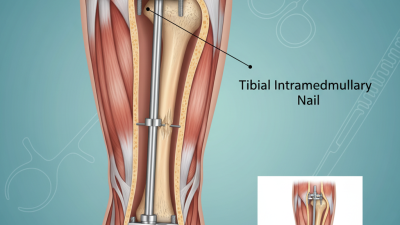
Common surgical options include intramedullary nailing and dynamic hip screw fixation. Intramedullary nails are often preferred for their stability and minimal soft tissue disruption. This technique shows a 92% healing rate within six months. It’s essential to consider the patient's bone quality. Osteoporotic patients may benefit more from less invasive approaches to decrease complications.
Tips: Close monitoring post-surgery is crucial. Encourage patients to engage in physical therapy to promote healing. Rehabilitation can significantly impact recovery speed and quality. Additionally, consider the psychological aspect of recovery. Some patients may face anxiety about regaining mobility.
Both surgical options require a tailored approach. Proper assessment of each case is vital. Flexibility in decision-making helps address unique patient needs. Outcomes can significantly improve with careful planning and execution and ongoing research continues to refine these methods.
Post-Operative Care and Rehabilitation for Recovery
Post-operative care after an intertrochanteric femoral fracture is crucial for effective recovery. Studies indicate that proper rehabilitation can enhance recovery outcomes significantly. Approximately 70% of patients experience improved mobility within six months of adequate post-operative rehabilitation. A structured physiotherapy program plays a key role. This usually starts with gentle range of motion exercises to prevent stiffness.
Weight-bearing exercises are introduced gradually. Research shows that patients who engage in weight-bearing activities early have a 15% greater chance of achieving mobility milestones. However, the challenges of pain management can hinder progress. This often leads to reduced participation in rehabilitation programs. Clinicians must continuously assess pain levels and adjust interventions. Communication between patients and healthcare providers is vital for addressing these hurdles.
Nutrition also plays a significant role in recovery. A diet rich in protein and vitamins accelerates bone healing. Studies suggest that proper nutrition can reduce recovery time by up to 10%. Nonetheless, many patients struggle with appetite post-surgery, making nutritional support essential. Ongoing education on the importance of adherence to both rehabilitation and nutritional guidelines is needed. Effective recovery relies on a multifaceted approach that addresses the physical, emotional, and dietary needs of patients.