Top Cervical Disc Replacement Manufacturers Worldwide?
Choosing the top Cervical Disc Replacement manufacturers worldwide requires more than comparing product brochures. It demands careful review of clinical evidence, regulatory approvals, surgeon feedback, and long-term device performance. These factors help readers understand how manufacturers support patients with cervical disc disease, neck pain, and limited mobility.
A reliable comparison should examine implant materials, motion-preserving design, surgical instruments, and published follow-up data. It should also consider manufacturing quality, physician training, technical support, and transparency around clinical outcomes. Experienced spine surgeons often notice practical details that marketing materials overlook, such as implant handling, visibility during surgery, and the consistency of instrument fit.
Small details matter.
This overview aims to identify influential manufacturers by examining their technology, research record, global presence, and commitment to patient safety. However, no universal ranking can represent every hospital, surgeon, or patient. Market information changes, and some clinical results remain difficult to compare across studies. That limitation deserves attention.
The strongest companies usually combine engineering expertise with disciplined clinical evaluation. They monitor devices after approval and respond to new evidence. Their products may serve different anatomy, surgical approaches, and treatment goals. Therefore, readers should view this guide as an informed starting point, not a substitute for professional medical advice. A qualified spine specialist must assess imaging, symptoms, bone health, and individual surgical risks before recommending any Cervical Disc Replacement system.
Cervical Disc Replacement: Purpose, Design, and Clinical Applications
Cervical disc replacement is designed to relieve pressure on spinal nerves while preserving movement between neck vertebrae. Surgeons may consider it for selected patients with disc degeneration, arm pain, numbness, or weakness caused by nerve compression. Unlike fusion, the procedure aims to maintain motion at the treated level. Careful selection matters. Imaging, physical findings, symptom duration, and bone quality all influence the decision. Severe instability, advanced arthritis, or significant bone loss may reduce its suitability.
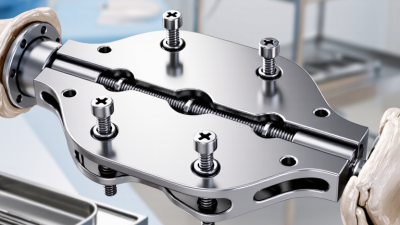
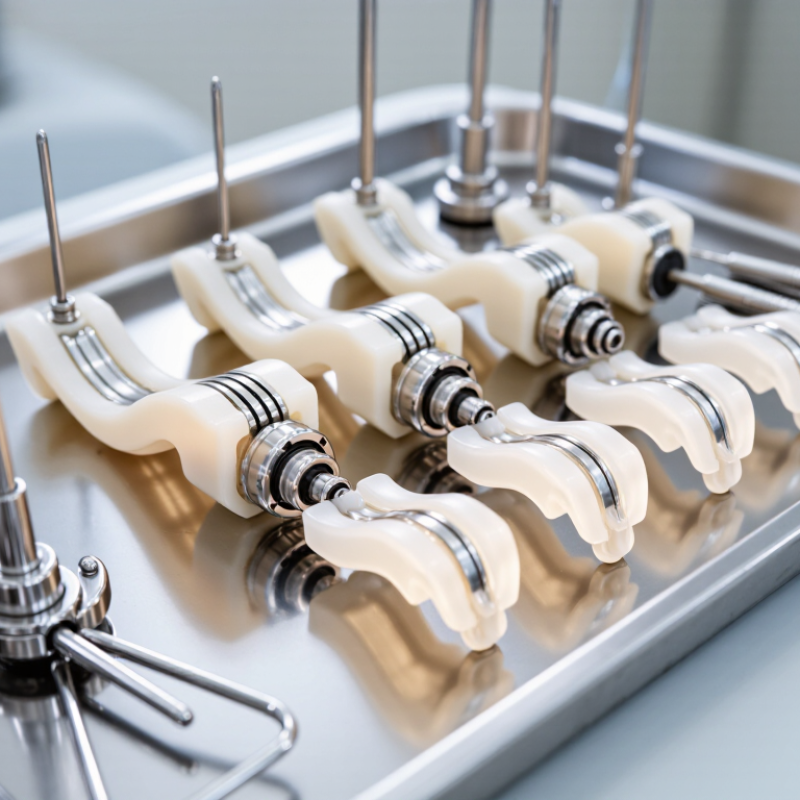
A typical cervical implant includes two endplates and a mobile core. The endplates anchor against adjacent vertebrae, while the core supports controlled movement. Designs differ in height, range of motion, fixation method, and material. Some use metal alloys with polymer cores. Surface textures may encourage bone attachment. Engineers must balance flexibility with stability, especially during bending and rotation. Motion is useful, but excessive movement can create problems. That trade-off remains debated. Small details matter. Surgical access, implant sizing, and alignment can affect daily comfort.
When evaluating leading manufacturers worldwide, healthcare teams should examine clinical studies, quality-control systems, regulatory compliance, and long-term follow-up data. A reliable manufacturer should provide clear surgical training and consistent production standards. Clinical applications now extend beyond single-level disease in carefully selected cases, though outcomes vary between patients. Real-world experience often reveals gaps that short studies miss. No implant is perfect. Patient expectations, surgical technique, and rehabilitation still shape results. Evidence should lead.
Key Technologies Used in Modern Cervical Disc Implants
Top Cervical Disc Replacement Manufacturers Worldwide?
Modern cervical disc implants combine motion-preserving design with careful biomechanical control. Most systems use metal endplates and a polymer core, often with cobalt-chromium alloys and ultra-high-molecular-weight polyethylene. These materials must resist wear, corrosion, and repeated neck movement. Tiny radiopaque markers help surgeons confirm implant position on X-rays. Small details matter.
Surface technology also plays a major role. Porous coatings can encourage bone growth around the endplates and improve long-term fixation. Some implants use teeth, keels, or textured surfaces to limit early migration. Computer modeling helps engineers study stress across the implant, vertebrae, and facet joints. Laboratory testing then simulates millions of movement cycles. It is impressive, but not perfect.
Modern designs may also include variable centers of rotation, which aim to imitate natural cervical motion. Advanced imaging supports accurate sizing before surgery. Surgeons still depend on direct assessment, not software alone. A device can show excellent laboratory results yet perform differently in a living spine. Fit, bone quality, surgical technique, and patient activity remain critical. In my view, reliable manufacturers should present clear clinical evidence, transparent testing methods, and realistic limitations. No surface coating can rescue poor sizing.
How to Evaluate Cervical Disc Replacement Manufacturers
Top Cervical Disc Replacement Manufacturers Worldwide?
Evaluating a cervical disc replacement manufacturer requires more than comparing product brochures. Start with regulatory evidence, clinical follow-up, and manufacturing controls. FDA approval documents should show indications, contraindications, adverse events, and patient-reported outcomes. Look for studies lasting at least five years. Short trials may miss implant migration, heterotopic ossification, or adjacent-segment disease.
Clinical numbers deserve careful reading. A ten-year randomized study, published in the International Journal of Spine Surgery, reported overall success of 62.4% for disc replacement compared with 52.2% for anterior cervical discectomy and fusion. The same evidence showed fewer secondary surgeries in the replacement group. However, results can vary by implant design, surgical technique, and patient selection. A strong manufacturer explains these limits openly.
Ask for ISO 13485 certification, supplier-audit procedures, and lot traceability. The FDA’s medical-device reporting system can reveal recurring complaint patterns, although it cannot prove causation. Review the manufacturer’s post-market surveillance plan. Check whether surgeons receive practical training, including sizing trials and fluoroscopic positioning. It matters in the operating room. Materials should also have biocompatibility evidence aligned with ISO 10993. I would not rely on market-share rankings alone. Industry reports often estimate sales, not clinical durability. Even a respected supplier may have incomplete long-term data, so independent peer-reviewed evidence should carry greater weight.
How to Evaluate Cervical Disc Replacement Manufacturers
This neutral evaluation framework prioritizes clinical evidence, regulatory compliance, manufacturing quality, long-term patient outcomes, professional adoption, and after-sales support. The percentages are recommended assessment weights rather than company-specific market data.
Regulatory Standards and Quality Factors in Disc Manufacturing
Choosing top cervical disc replacement manufacturers requires more than a global sales list. Regulatory discipline often reveals their real capability. A mature facility follows ISO 13485 for quality management and ISO 14971 for risk control. It also documents biocompatibility under ISO 10993. Market access adds different demands. The United States, European Union, and other regions may require separate clinical, technical, and post-market evidence. A certificate alone is not proof of clinical value. That distinction matters.
In production, inspectors should examine material certificates, machining tolerances, surface finish, and cleanliness. Titanium alloys, cobalt-chromium components, polymers, and coatings need controlled suppliers. Each lot should remain traceable from raw material to packaged implant. Fatigue, wear, corrosion, impingement, and subsidence testing should reflect realistic spinal loads. Small design changes can alter motion and stress. Manufacturing validation must cover sterilization, packaging integrity, and shelf life. These details are less visible than polished brochures.
Reliable manufacturers connect engineering data with clinical experience. They collect feedback from surgeons, investigate complaints, and update risk files after market release. Independent testing can strengthen confidence, especially when methods and acceptance limits are disclosed. Still, no bench test perfectly predicts a patient’s neck movement. I may be too cautious, but unexplained gaps deserve attention. A strong review asks who performed each test, whether failures were reported, and how corrective actions were verified. Inspection records should show measurable controls, not only confident statements.