How to Prepare for Ankle Fracture Surgery in 2026?

Preparing for Ankle Fracture Surgery can feel overwhelming, especially when pain affects every small movement. A trip to the bathroom may require crutches, a chair, or another person’s support. Clear preparation can reduce avoidable stress and help you participate safely in recovery.

This guide explains what patients commonly discuss with orthopedic surgeons before surgery. It covers imaging, medication reviews, fasting instructions, anesthesia questions, transportation, and home arrangements. Your surgeon may also check swelling, skin condition, circulation, and nerve function. Significant swelling can sometimes delay surgery. That decision should come from your medical team, not online advice.

Practical details matter. Move frequently used items to waist height. Place a stable chair near the shower. Prepare loose clothing that fits over a splint or boot. Arrange help for meals, stairs, children, or pets during the first days. Confirm which medicines to stop or continue, including aspirin, supplements, and diabetes treatments. Never change prescribed medication without professional guidance.

Ask direct questions.

How long will weight-bearing restrictions last? What warning signs require urgent help? When can driving or work resume? Written instructions are useful because pain and anesthesia can affect memory. No checklist is perfect. I may overlook a personal need, such as language support or a difficult home layout. Share those concerns early. Reliable preparation combines medical guidance, realistic planning, and honest communication. The aim is not to control every outcome, but to enter surgery informed, supported, and ready for the recovery process.
How to Prepare for Ankle Fracture Surgery in 2026?

Understanding Your Ankle Fracture and Surgical Treatment Options

How to Prepare for Ankle Fracture Surgery in 2026?

An ankle fracture can involve one bone, several bones, or the joint surface. The injury pattern determines treatment. Your clinician may order X-rays, and sometimes a CT scan, to understand bone alignment and joint damage. Swelling, skin condition, circulation, and general health also affect the timing of surgery.

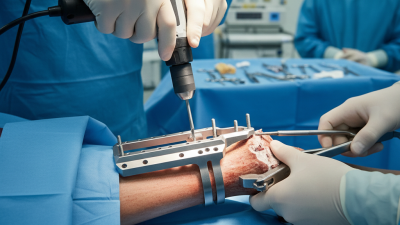
Some stable fractures heal with a boot, cast, and restricted weight-bearing. Displaced or unstable fractures may need open reduction and internal fixation. This procedure realigns the bones and holds them with surgical hardware. The goal is accurate healing, not simply faster movement. Ask how long you may need crutches and when physical therapy should begin. Plans differ more than many patients expect.

Before surgery, discuss medicines, allergies, diabetes, smoking, and previous anesthesia problems. Follow fasting instructions carefully. Arrange transport and help at home, especially for bathing and stairs. Elevating the ankle can reduce swelling, but only follow instructions about ice and movement. Do not place weight on the injured leg unless cleared.

I once assumed the operation was the hardest part. Recovery often demands more patience. Pain, stiffness, sleep disruption, and fear of falling can continue for weeks. Report worsening pain, numbness, unusual drainage, fever, or toes that become cold or pale. Surgical risks include infection, blood clots, nerve irritation, and delayed healing. Your orthopedic team should explain these risks and provide an individualized plan.

How to Prepare for Ankle Fracture Surgery in 2026?

Understanding Your Ankle Fracture and Surgical Treatment Options

The chart shows commonly used clinical time windows after ankle fracture surgery. Swelling often improves during the first 2–6 weeks, protected or limited weight-bearing may continue for about 0–6 weeks, visible bone healing commonly develops around 6–12 weeks, and higher-impact activities may require approximately 12–24 weeks. Actual progress depends on fracture severity, fixation stability, soft-tissue healing, medical conditions, and the surgeon’s rehabilitation plan.

Completing Medical Evaluations and Preoperative Testing

Before ankle fracture surgery in 2026, expect a focused medical evaluation rather than a pile of automatic tests. Your surgeon and anesthesiologist should review the fracture, planned fixation, previous anesthesia problems, allergies, medications, heart or lung disease, diabetes, kidney function, and smoking history. Bring every prescription, supplement, and anticoagulant name.

Small details matter.

Testing should match your health and the operation’s risk. A complete blood count may identify anemia or infection concerns. Electrolytes and kidney tests can guide anesthesia and medication choices. An electrocardiogram is usually considered when symptoms, age, or medical history justify it, not simply because surgery is scheduled.

The 2024 ACC/AHA perioperative guideline discourages routine cardiac stress testing for patients with adequate functional capacity and low surgical risk. NICE guideline NG45 also recommends selective preoperative testing based on procedure complexity and comorbidities.

Ask whether you need pregnancy testing, blood-thinning medication adjustments, or additional imaging. Do not stop prescribed medicine alone. Confirm fasting instructions, arrival time, transport, and postoperative support.

The World Health Organization’s Safe Surgery Saves Lives study reported major complications falling from 11.0% to 7.0% after checklist implementation. Yet a checklist cannot replace careful conversation. It may miss a recent infection, loose tooth, or confusing medication dose.

Tell the team if swelling, fever, chest symptoms, or new numbness appears before surgery. Rechecking is sensible, even when inconvenient.

Preparing Your Medications, Diet, and Home Environment

How to Prepare for Ankle Fracture Surgery in 2026?

Preparing Your Medications, Diet, and Home Environment

Before surgery, ask your surgeon, anesthesiologist, or pharmacist to review every medication. Include prescriptions, pain relievers, vitamins, and herbal supplements. Some products can increase bleeding or interfere with anesthesia. Never stop blood thinners or diabetes medicine without specific medical instructions. Write down each dose and timing. Bring this list to your preoperative appointment.

Eat regular, balanced meals unless your surgical team gives fasting instructions. Protein-rich foods can support tissue repair. Fruits, vegetables, and whole grains may help prevent constipation after surgery. Drink enough fluids before fasting begins. Avoid alcohol, and tell the team about smoking or nicotine use. Small details matter. I would not assume “natural” supplements are automatically safe.

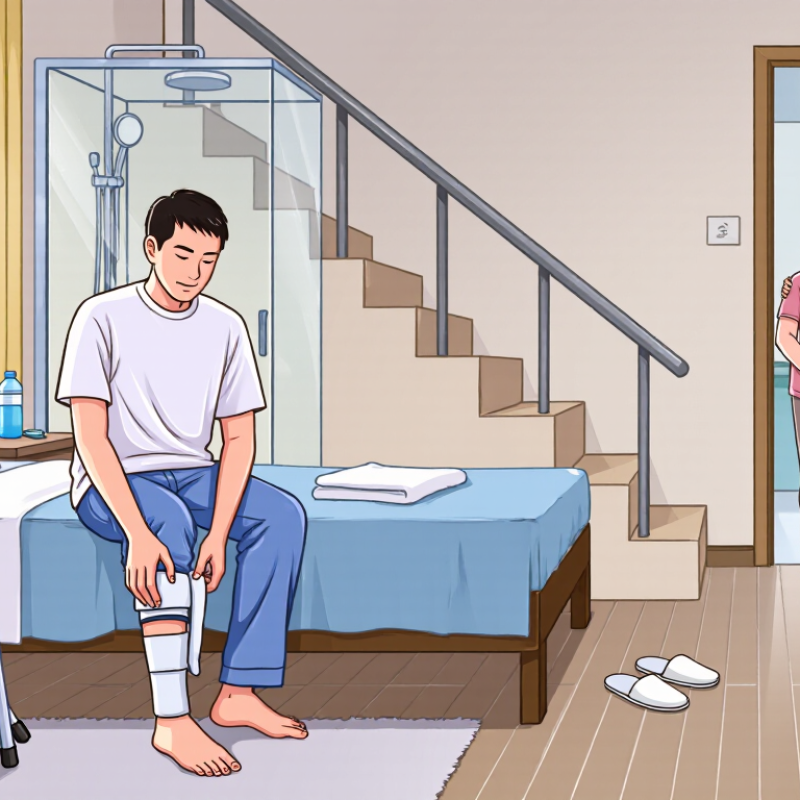
Make your home easier to navigate before arriving at the hospital. Clear loose rugs, cords, and small furniture from walking paths. Place frequently used items between waist and shoulder height. Arrange a stable chair, a bedside table, and a sleeping area on one accessible floor. Keep a phone, water, and prescribed medicines nearby. A shower chair and bathroom grab bars may improve safety, but they should be professionally installed. Practice using crutches or a walker with a physical therapist. My planning mistake would be waiting until surgery day; even a short trial can reveal balance problems. Ask about help with meals, bathing, transportation, and follow-up visits.

Planning Anesthesia, Hospital Care, and Transportation

How to Prepare for Ankle Fracture Surgery in 2026

Anesthesia planning begins well before admission. Ask the anesthesiologist whether regional anesthesia, general anesthesia, or both may be appropriate. Share every medication, supplement, allergy, and previous anesthesia problem. Mention sleep apnea, diabetes, heart conditions, and pregnancy possibility. Follow fasting instructions exactly, including rules for water and morning medicines. These instructions can change after your medical review.

Hospital care needs practical preparation. Confirm the expected length of stay and discharge requirements with your surgical team. Pack identification, loose clothing, and a written medication list. Arrange crutches, a walker, or another approved mobility aid before surgery. Keep your phone charger within reach. Nurses may check pain, circulation, swelling, and your ability to move safely. Ask how to protect the dressing and when follow-up imaging is needed. I nearly forgot that bathroom access can become difficult with one protected ankle.

Transportation requires more than finding a driver. Arrange a responsible adult to take you home and remain available afterward. You should not drive after anesthesia or while taking sedating pain medicine. A vehicle with easy entry can reduce strain. Place a pillow under the leg, if your care team permits it, and avoid pressing the surgical area. Plan the route around stairs and traffic. If transportation changes, contact the hospital early rather than improvising at discharge. Conversational advice is useful, but your surgeon’s instructions must guide the final plan.

Knowing What to Expect on the Day of Surgery

On the day of ankle fracture surgery, arrive early with your identification, medication list, and imaging records. Wear loose clothing that fits over a bulky splint. Leave jewelry, valuables, and contact lenses at home. A nurse will check your vital signs, allergies, fasting status, and surgical consent. The surgeon may mark the operative ankle. Pause if anything feels unclear.

An anesthesiologist will discuss general or regional anesthesia, pain control, and recovery-room monitoring. Tell the team about sleep apnea, diabetes, smoking, pregnancy possibility, and every medicine or supplement. Do not guess about blood thinners. Confirm when each one should stop or restart. The World Health Organization estimates that major complications occur in 3% to 16% of surgical patients worldwide, although personal risk varies widely (WHO, Global Guidelines for Safe Surgery). That figure is broad, not a prediction for your operation.

After surgery, expect swelling, numbness, and temporary grogginess. Staff should explain weight-bearing limits, wound care, warning signs, and home medicines before discharge. Arrange an adult escort and a clear path to your bed or bathroom. Keep the operated leg elevated as instructed. Cold packs must not touch numb skin directly. The CDC reports that surgical-site infections affect about 2% to 5% of inpatient surgical patients, so hand hygiene matters (CDC, Surgical Site Infection Prevention). I would not rely on memory alone; write down instructions, because pain can make simple details surprisingly difficult.

How to Prepare for Ankle Fracture Surgery in 2026? — Knowing What to Expect on the Day of Surgery

Stage Typical Timing What Usually Happens How to Prepare Important Questions to Ask
Preoperative Instructions Several days before surgery The surgical team reviews the fracture, medical history, medications, allergies, and planned anesthesia. Tests may include blood work, an electrocardiogram, or additional imaging when clinically needed.
  • Provide a complete list of prescription medicines, over-the-counter drugs, and supplements.
  • Follow instructions about medicines that may affect bleeding or blood sugar.
  • Arrange transportation and an adult to stay with you after discharge if required.
Which medicines should I take or stop before surgery, and when should I restart them?
Fasting and Arrival Night before and morning of surgery Fasting requirements vary according to the anesthesia plan and facility instructions. On arrival, staff confirm identity, consent, allergies, vital signs, and the operative site.
  • Follow the exact fasting and permitted-fluid instructions provided by the anesthesia team.
  • Wear loose clothing and leave jewelry, valuables, and contact lenses at home.
  • Bring identification, medication information, crutches or mobility aids if requested, and required paperwork.
What time should I stop eating, drinking, or taking approved morning medicines?
Preoperative Assessment Before entering the operating room Nurses record vital signs and may place an intravenous line. The surgeon reviews the procedure, while the anesthesia professional discusses options such as general anesthesia or regional nerve blocks.
  • Tell the team about recent illness, fever, breathing problems, sleep apnea, or previous anesthesia reactions.
  • Report any change in swelling, skin condition, or sensation in the injured foot.
  • Confirm the planned operation and the expected weight-bearing restrictions.
What type of anesthesia is planned, and how will pain be controlled after surgery?
Surgical Procedure Often about 1–3 hours, depending on complexity The surgeon realigns the fractured bones and may secure them with internal fixation such as plates, screws, or other appropriate devices. The incision is closed and dressed afterward.
  • Expect the schedule to vary because emergency cases and operating-room needs can cause delays.
  • Do not eat or drink while waiting unless the clinical team permits it.
  • Family or companions may receive updates according to facility policy.
Will the fracture require fixation, and what factors could change the surgical plan?
Recovery Room Usually 1–3 hours after surgery Staff monitor breathing, blood pressure, pain, nausea, circulation, and movement or sensation in the foot. Temporary numbness may occur after a nerve block.
  • Tell staff if pain, nausea, shortness of breath, unusual bleeding, or increasing numbness occurs.
  • Do not stand or walk until cleared and assisted.
  • Confirm the plan for eating, drinking, urinating, and going home.
How long might numbness last, and which symptoms require urgent attention?
Immobilization and Mobility Before discharge The ankle is commonly placed in a splint, dressing, boot, or cast. Most patients initially need crutches, a walker, or another aid and must follow specific weight-bearing limits.
  • Practice safe transfers and stair technique with a nurse or physical therapist.
  • Keep the immobilization device clean, dry, and in the prescribed position.
  • Use elevation as instructed to help manage swelling.
Am I non-weight-bearing, partial-weight-bearing, or allowed to bear weight as tolerated?
Pain and Medication Plan At discharge and during the first days Pain treatment may combine prescribed medication with elevation, ice applied around—not directly on—the dressing, and other non-drug measures. Medication choices depend on medical history and clinician guidance.
  • Understand the dose, timing, side effects, and maximum daily amount for each medicine.
  • Avoid alcohol and driving when taking sedating medication.
  • Ask before adding pain relievers or supplements not included in the discharge plan.
What should I do if pain is not controlled or if medication causes vomiting, rash, or severe drowsiness?
Discharge and Home Setup Same day or after an overnight stay Discharge depends on stable vital signs, controlled symptoms, safe mobility, and appropriate support. Instructions cover wound care, bathing, medication, activity, and follow-up.
  • Prepare a sleeping and resting area with essential items within reach.
  • Remove trip hazards such as loose rugs and clutter.
  • Plan help with meals, bathing, shopping, pets, and transportation.
Who should I contact after hours, and when is my first follow-up appointment?
Warning Signs Any time after surgery Urgent assessment may be needed for severe or worsening pain, a cold or pale foot, new loss of movement or sensation, uncontrolled bleeding, chest pain, sudden shortness of breath, or significant calf swelling and pain.
  • Keep emergency and surgical-team contact information available.
  • Check the toes for color, warmth, movement, and sensation as instructed.
  • Seek emergency care for chest pain, severe breathing difficulty, or sudden neurological symptoms.
Which changes are expected, and which require an immediate call or emergency evaluation?

Surgical timing, anesthesia, weight-bearing restrictions, medication instructions, and follow-up schedules vary by fracture pattern and individual health. Always follow the instructions provided by the treating orthopedic and anesthesia teams.